
Mobile Betting in New Zealand 2026: Apps, Prices and What the TAB Monopoly Means for the Punter
 Available in US
Verified against the Department of Internal Affairs register and the Racing Industry Act 2020, as of 26 October 2026.
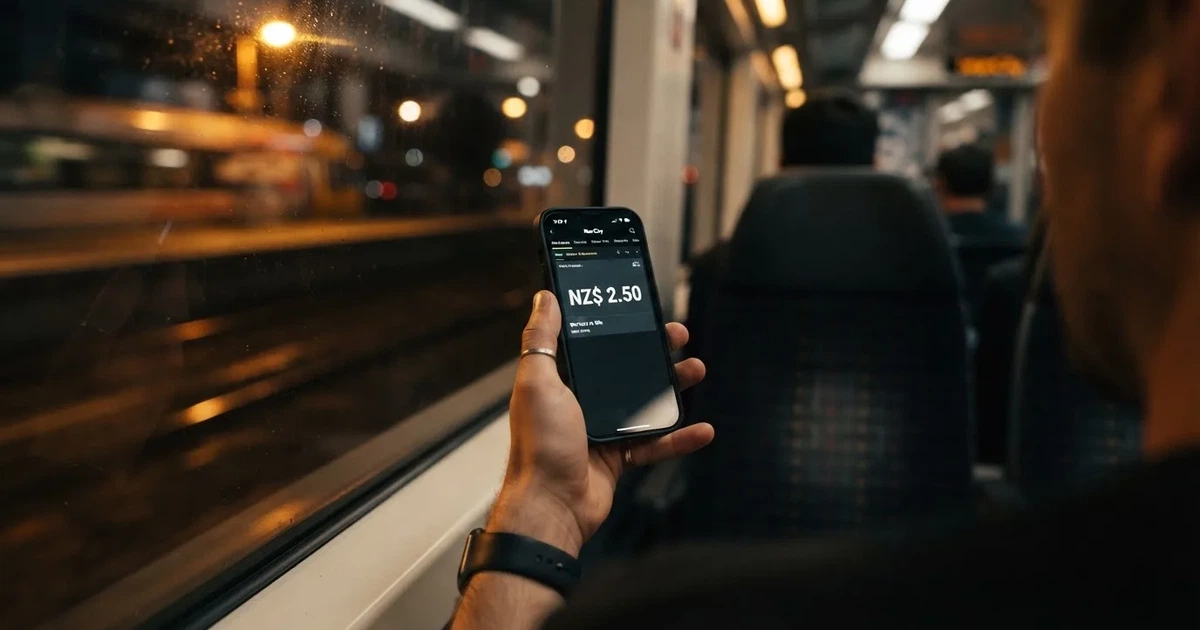
For most of the world the question “which betting app must I install?” turns on price, market depth and a welcome offer. In New Zealand it does not. Since 28 June 2025 the only mobile apps lawfully allowed to take a sports or racing bet from a person in New Zealand are the two online brands of TAB New Zealand — TAB itself and its digital sister brand Betcha. The Department of Internal Affairs told every other operator serving the country to withdraw with immediate effect. That is not a marketing line, and the rest of this page is the consequence of taking it seriously.
Cost, then, is not a price comparison. It is what a New Zealand punter pays for installing the only legal option, for the fact that the option is a monopoly, and for the offshore apps the page can describe but cannot recommend. The other thing a punter pays, and forgets about, is the bookmaker’s margin baked into every set of odds. The legal frame is short; the rest of the page is arithmetic, application of that arithmetic to the choices in front of a Kiwi bettor, and an honest read of the ten apps a comparison site sees most often in New Zealand traffic.
Table of Contents
- Touchscreen Betting: What the TAB and Betcha Apps Actually Offer
- The Statute: Why There Is Only One Choice, and What It Costs You
- Fundamentals: Who Actually Runs the Betting, and What the Monopoly Looks Like in Practice
- Safeguards and Wellbeing: The Tools the TAB App Gives a Punter, and the Ones the Law Does Not
- The Real Cost: How Margin Sits Inside Every Price You See
- Bonuses, Free Bets and the Welcome Offer: What a “Bonus” Really Costs the Punter
- The Comparison: Ten Apps a New Zealand Punter Will Meet, and What Each One Costs
- The Comparison in Plain Prose: What the Table Does Not Say
- The Cost You Do Not See: Withdrawal Times, Bonus Clawbacks and the Offshore Catch
- What the TAB Monopoly Costs a Kiwi Punter, in One Number
- A Punter’s First Hour in the TAB App: What the New App Actually Looks Like
- The Mobile App Versus the Mobile Browser: What the Punter Gives Up
- The Final Read: What the Page Has Found
- Frequently Asked Questions
Touchscreen Betting: What the TAB and Betcha Apps Actually Offer
The TAB NZ mobile app, published on the New Zealand App Store under the seller name New Zealand Racing Board and first released on 8 September 2014, is the workhorse. It carries horse and harness racing, rugby union, rugby league and a deep card of other sports, with both pre-match and live markets, and is built around a fixed-odds sportsbook and the parimutuel tote. Racing punters get form, Blackbook, Jockey Challenge and a Trackside live-streaming feed with in-app betting. The app’s age rating on the store is 17+, while the betting age itself is set at 18 by section 89 of the Racing Industry Act 2020 — a small gap, the kind of administrative mismatch the store rating system never quite catches.
Betcha is the second online brand of TAB NZ, first released on 6 August 2024 and published by Entain New Zealand Limited. It is a separate app with its own look, but the wagering account behind it is the same TAB NZ account: a punter’s deposit limit, time-out and self-exclusion set on TAB carry across to Betcha, and vice versa, because both brands sit under the same harm-minimisation framework. The two are not rivals. Treating them as rivals, the way a comparison site might list them side by side, is the kind of phrasing that lands a reader at two different download pages for the same wallet.
The mobile experience is otherwise standard. The TAB app carries a simplified wallet for deposits and withdrawals, a place-bet screen that pulls the racing and sports cards into one slip, and a stable of features aimed at the small stake punter: Same Race Multis, Same Game Multis, one-tap Popular Multis, and a Place Extra option that backs a runner to finish as high as tenth in selected races. A “Mega Multi” promotion in the app gives up to $50 in Bonus Cash when a multi of four or more legs falls short by a set number of legs — terms apply, and the cap is the cap, whatever the splash screen says. New customers can be credited with Bonus Cash that splits across multiple bets, which is the kind of offer a punter must read the small print on before celebrating.
The single most important thing the apps are not, though, is open. There is no third-party sportsbook you can install alongside them and stay on the right side of the law. Offshore apps are reachable over the internet; installing one is not, on its own, what the statute targets. What the statute targets is the offshore operator taking your bet. That is the next section’s ground.
The Statute: Why There Is Only One Choice, and What It Costs You
New Zealand does not license bookmakers. The Racing Industry Act 2020 established TAB NZ as the only provider of racing and sports betting, and the Racing Industry Amendment Act 2025 inserted section 74AAA to lock that in: no person other than TAB NZ may offer racing betting, sports betting or other racing or sports betting to a person in New Zealand, regardless of where that person is resident or incorporated. The Department of Internal Affairs told providers serving the New Zealand market to withdraw with immediate effect when the change took effect on 28 June 2025. There is no licence register for bookmakers because there is no licence to issue. The system is not the United Kingdom, where dozens of brands compete under the UK Gambling Commission; the system is a single state-endorsed bookmaker with a private operator running the technology under contract.

The contract is the second thing a punter pays for without seeing it. TAB NZ signed a 25-year operating partnership with Entain in 2023. Entain runs the TAB business day to day, takes a 50/50 share of gross profits, and pledged a one-off $100 million payment to the racing sector. For the first five years TAB NZ is guaranteed at least $150 million a year out of the deal. The point for a punter is not the corporate finance; it is what a 25-year monopoly with a guaranteed floor does to the pressure to compete on price. A bookmaker that knows it has no rival can afford to leave margin on the table. A bookmaker that knows it has no rival can also afford to publish odds a sharper punter might call generous on a quiet Tuesday meeting and tight on the Melbourne Cup, because the punter has nowhere to go. The market mechanism that disciplines odds in other countries is, by design, absent in New Zealand.
The greyhound question closes one more door. Greyhound racing shuts in stages from 1 August 2026, and from that date offshore operators may not take bets on greyhound races either, even where they are still willing to take a bet. The punter’s effective menu from that date is racing on thoroughbreds and harness, plus sports.
The thing the law does not do is geo-block. The offshore websites are reachable. New Zealand’s Department of Internal Affairs does not run an internet filter against bookmaker domains; the statute puts liability on the offshore operator that chooses to accept a New Zealand customer, not on the customer for opening the page. A New Zealand resident can place a bet on an offshore app. Section 19(4) of the Gambling Act 2003, inserted in 2025, makes that explicit: an individual cannot be convicted for placing a bet with an offshore operator in breach of section 74AAA. What DIA does say, in plain English, is that offshore operators may be in jurisdictions with minimal consumer safeguards, may not return unspent credits and may not pay out large wins. That is the cost the statute is unable to recover for a punter who goes offshore: not a criminal penalty, but the absence of a regulator to ring when the offshore bookmaker stops answering email. If the offshore brand is going to look after a Kiwi punter’s withdrawal, the punter has to take the brand’s word for it. With TAB NZ, the punter has the DIA and the harm-minimisation framework as a backstop.
There is no statutory per-bet cap. The only statutory cap is the operator’s own terms, and TAB NZ’s terms are the rule. Inland Revenue treats recreational gambling winnings as not taxable in most cases, and prize money from TAB horse, dog and trotting races is not taxable either; a punter who runs betting as a business is a different story, and that punt might ask an accountant, not the TAB app.
Fundamentals: Who Actually Runs the Betting, and What the Monopoly Looks Like in Practice
TAB NZ is the monopoly holder, but the company running the betting platform underneath is Entain, the same company that runs Ladbrokes and Coral in the United Kingdom and has a long history in online bookmaking. The 25-year deal signed in 2023 puts Entain’s product and risk team behind the TAB brand, with TAB NZ holding the licence and the public-interest mandate. The 50/50 gross-profit split is the rare partnership where the private partner’s incentive to make a margin is not in tension with the public partner’s incentive to return money to the racing sector, because both sides earn the same share of the gross profit. The cost to the punter is the absence of competition, and that cost is harder to see than a price tag.

In practice the monopoly looks like this: TAB NZ sets the odds for thoroughbred, harness and greyhound racing in New Zealand and is the price-setter for sports from a global feed of events. There is no rival with capital to take a meaningful position against the TAB line. Fixed-odds and tote bets both exist; tote bets are pool bets, paid out as a dividend once the pool closes. The same set of racing outcomes, the same Quinella, Exacta, Trifecta, First Four, Double, Treble, Daily Double, Running Double, Quaddie and Big6, the same Win, Place, Each Way and Place Extra options, the same Multis and Same Game Multis on sports. A punter looking for an exchange-style back-and-lay market, or a spread-bet product, finds nothing lawful in New Zealand. Spread betting sits outside TAB NZ’s sports-betting definition, and no New Zealand exchange exists.
Two further pieces of the fundamentals matter for cost. First, the price of the monopoly: TAB NZ pays a Problem Gambling Levy of 0.74% (in force from 1 July 2025 to 30 June 2028) to fund harm minimisation, which is real money spent on the helpline and on research. That is a cost of doing business, not a cost directly passed to a punter’s stake, but a state-endorsed bookmaker paying into a state harm fund is a different proposition from an offshore brand paying nothing at all. Second, the offshore bookmaker taking New Zealand residents has, since 1 July 2024, owed an online gambling duty of 12% of profits, rising to 16% from 1 January 2027. The duty is a tax on the operator, not a sign that the operator is lawful. An offshore brand paying online gambling duty is still breaking section 74AAA; the duty and the law are different things, and the punter who thinks the duty is a sign of legality is being told something the law does not say.
The fundamentals, then, are: one legal bookmaker, one operating partner, one public-interest mandate, no exchange, no rivals, and a regulator that has chosen the prohibition-plus-state-monopoly route rather than the licensing route. Every Kiwi punter’s cost calculation starts from there.
Safeguards and Wellbeing: The Tools the TAB App Gives a Punter, and the Ones the Law Does Not
The TAB and Betcha apps carry the same safer-gambling tools by design. A punter can set a deposit limit on the account, take a time-out, or self-exclude across both brands at once. Self-exclusion is the most consequential of the three: a punter who has excluded cannot place a bet through either app while the exclusion is in force, and the exclusion is a real barrier rather than a polite pop-up. The 0.74% Problem Gambling Levy funds the help lines, and the apps surface the free Gambling Helpline — 0800 654 655, with a text line on 8006 — directly in the safer-betting section of the TAB listing. Safer Gambling Aotearoa is the broader framework. None of these tools is optional for the operator: TAB NZ has a statutory duty to minimise the risks of problem and underage gambling, and the tools are the deliverable.
The age rule is set by section 89 of the Racing Industry Act 2020: a person under 18 cannot place a bet, and an operator accepting a bet from a person under 18 is breaking the law. The App Store age rating of 17+ on both TAB and Betcha is a store-rating artefact, not the legal age; the punter must be 18 to deposit and bet. The age at which a person may enter a New Zealand land-based casino is 20, which is the kind of detail a comparison of betting and casino is liable to confuse. Betting at 18, casino at 20, two different regimes, two different operators. The offshore brands reviewed later in this piece almost all require the punter to be 18, with SpinBetter, Megapari, BetWinner and Paripesa each stating a 21+ age threshold in their footers — a stricter rule than New Zealand requires, which is the kind of one-upmanship that does not move the legal needle either way.
The offshore gap is the part of the wellbeing story the apps cannot close. There is no national online-betting exclusion register that an offshore bookmaker can check; the register the Online Casino Gambling Act 2026 will require is for online casinos only. A punter who has self-excluded through TAB NZ and then opens an offshore account is betting on the offshore bookmaker’s own willingness to honour the self-exclusion, which is exactly the regulator’s risk. The Department of Internal Affairs says plainly that offshore operators may be in jurisdictions with minimal consumer safeguards, may not return unspent credits and may not pay out large wins. That is the wellbeing cost the page returns to at the end: the legal apps have the backstop, the offshore ones do not, and a punters’ decision turns on what they are willing to trade away for the wider market.
The advertising frame matters here too. The Advertising Standards Authority’s Gambling Advertising Code applies to betting ads and forbids targeting under-18s, forbids encouraging harm, and requires truthful ads with terms available. There is no New Zealand equivalent of a “whistle-to-whistle” broadcast ban on betting advertising, but the same codex restricts what an operator can put in front of a New Zealand audience. An offshore affiliate marketing a sign-up offer to a New Zealand address is in scope: DIA reads the prohibition as covering promotion of an unlawful offer as well as taking the bet.
The Real Cost: How Margin Sits Inside Every Price You See
Before the operator-by-operator comparison it is worth pinning down the single number a punter pays whether or not the operator is licensed: the margin baked into the odds. The bookmaker’s margin is the slice of every dollar bet that the bookmaker keeps, on average, across all outcomes of a market. It is the difference between the fair price of a market and the price the bookmaker publishes, and it is invisible until a punter asks.
The arithmetic is straightforward. A decimal odds quote of 2.10 is a probability of 1 ÷ 2.10, or roughly 47.6%. In a fair two-outcome market — a tennis match with no draw — the two probabilities might add to 100% and the punter might break even over the long run. In a real market the two probabilities add to more than 100%, and the gap is the margin. A 1X2 market on a football match where the home win is priced at 1.85, the draw at 3.60 and the away win at 4.50 gives implied probabilities of 54.1%, 27.8% and 22.2% — a sum of 104.1% and an overround of roughly 4.1%. The payout share is the inverse: 1 ÷ 1.041, or about 96.1%. The bookmaker is keeping 3.9 cents out of every dollar wagered on this market (the margin).
A bigger market, a market with more outcomes, tends to carry a larger margin. A racing trifecta with twelve runners and a dozen combinations publishes a margin that is structurally higher than the 1X2’s, because the bookmaker’s risk of getting one combination wrong is higher. A same-game multi on a rugby Test, with five legs, is a margin the punter cannot see directly but is paying for: the per-leg margins stack into a multi-leg margin that is meaningfully larger than any single leg. The Mega Multi bonus in the TAB app pays out in Bonus Cash on a near-miss, but the underlying margin is what makes a near-miss the most common outcome.
The profit on a single winning bet is the simple arithmetic: a $20 stake at 2.10 returns $42, of which $22 is profit, of which the bookmaker’s slice has already been paid through the price. A combination bet of two legs at 1.85 and 2.40 multiplies into 4.44, and the $20 stake returns $88.80 if both legs land. The combination is a higher-margin product: the margin of the two legs stacks, and the punter is paying a higher price for the same dollar of risk.
The single sentence a punter might carry out of this section is that every price is a margin. A bookmaker’s headline price is a marketing surface, and the price that matters is the price after the margin. A market at 4.1% is cheap by New Zealand bookmaker standards; a market at 7% is ordinary; a market above 10% is the kind of thing a serious punter walks past. There is no published TAB NZ margin the page can quote as a number, because the operator does not publish its margin by market. The punter’s job is to do the arithmetic on a few sample markets and use the result as a yardstick. The arithmetic above is the yardstick.
Bonuses, Free Bets and the Welcome Offer: What a “Bonus” Really Costs the Punter
A bookmaker’s welcome offer is a marketing surface and a margin, and the punter who takes it at face value is paying the marketing surface for the margin. The two cheapest words in betting advertising are “free bet”, and both are doing a job. A free bet, by industry convention, is a stake the operator gives the punter, and the stake is not returned with a winning bet. A $10 free bet at 2.10 returns $21, not $31, of which $11 is profit. A punter placing a $10 free bet at 1.50 returns $15, of which $5 is profit. The arithmetic is the same; the difference is the odds. The free bet’s value to the punter is the expected profit, which is the free-bet amount multiplied by the odds minus one, divided by the odds, and then multiplied by the market’s payout share. At 2.10, on a 96.1% payout-share market, a $10 free bet is worth roughly $5.20 on average. The headline “$10 free bet” is true; the value of $10 is not.
A cash bonus, by contrast, is money the operator adds to the punter’s balance and which can usually be withdrawn once the wagering conditions are met. The catch is the conditions. A $50 cash bonus with a 5x wagering requirement on the bonus means the punter has to place $250 of bets at minimum before the bonus is withdrawable, and the bets usually need to be at minimum odds — at or above a published price such as 1.50 — to count. The punter’s expected cost of clearing the offer is the turnover multiplied by the market’s margin. A punter turning $250 over a 4.1%-margin market loses, on average, $10.25 of expected value. The bonus looks like a gift; the wagering is the gift’s price.
TAB NZ’s offer set is the smaller of the two. The app lists new-customer Bonus Cash that can be split across multiple bets, and the Mega Multi promotion of up to $50 in Bonus Cash on a near-miss multi of four or more legs, terms apply. The fine print on the TAB offer is in the app’s own terms and conditions and is the only version the punter must trust; an affiliate site’s reproduction of the headline price is not the small print, and the small print is where the offer lives or dies. The point of this section is not to talk the punter out of taking a bonus — a small bonus cleared at a sharp market is a genuine small edge — but to keep the offer’s cost on the same page as the offer’s headline. The punter who treats the two as the same number is the punter the marketing is written for.
The offshore apps reviewed in the next section run heavier welcome offers, because they have to. A market with one legal bookmaker does not need a welcome offer; a market where the bookmaker is competing against twelve others for a New Zealand customer’s deposit does. The headline price is the lure; the cost is the wagering, the minimum odds, the expiry and the cap on winnings. The punter’s job is to read the four lines that matter and ignore the splash.
The Comparison: Ten Apps a New Zealand Punter Will Meet, and What Each One Costs
The table that follows covers the ten brands a New Zealand punter is most likely to see in a search or an affiliate listing. The first two are the only legal options. The other eight are not licensed in New Zealand, take bets from New Zealand customers at the operator’s own risk, and offer no New Zealand complaints route or harm-minimisation framework. This page describes them, not endorses them. A punter who installs one does so on the operator’s terms and on the operator’s regulator’s terms, which are not the New Zealand Gambling Commission’s terms.
| Brand | New Zealand status | What the operator’s own terms state on the key’s subject |
|---|---|---|
| TAB | TAB NZ brand | App first released 8 September 2014, sports and racing, fixed-odds and tote, deposit limits, time-outs, self-exclusion, Problem Gambling Levy 0.74% |
| Betcha | TAB NZ brand | App first released 6 August 2024, by Entain New Zealand Limited, safer-betting tools, Gambling Helpline 0800 654 655, 18+ to bet |
| BillyBets | Not licensed in New Zealand | 24/7 live chat and Help Centre, Android and iOS browser, no licence named that applies in New Zealand |
| Alawin | Not licensed in New Zealand | Customers aged 18 or over only, no licence named that applies in New Zealand |
| RTbet | Not licensed in New Zealand | Football, tennis, table tennis, basketball, ice hockey, American football, baseball, live betting and virtual sports, Curaçao licence, no New Zealand rights |
| FunBet | Not licensed in New Zealand | Football, ice hockey, American football, basketball, volleyball, tennis, rugby, baseball, live betting, 24/7 bookmaker, no licence named that applies in New Zealand |
| 22Bet | Not licensed in New Zealand | Curaçao licence 8048/JAZ, holder TechSolutions Group N.V., no right to take bets from people in New Zealand |
| Rooster.bet | Not licensed in New Zealand | Tobique Gaming Commission e-gaming licence No. 0000002, holder Novatrix SRL in Costa Rica, no right to take bets from people in New Zealand |
| Golden Panda | Not licensed in New Zealand | Sports, esports, virtual sports, casino, crash games, no licence named that applies in New Zealand |
| Winz.io | Not licensed in New Zealand | Anjouan and Tobique licences named, no right to take bets from people in New Zealand |
The table is the picture; the operator-by-operator write-ups below are the cost.
TAB
The TAB app is the workhorse, and the workhorse’s price is the lack of a rival. A punter installing TAB gets the full racing and sports book, the Trackside streaming, the form tools and the safer-gambling features wired in. The cost is structural: there is no other legal New Zealand app to compare prices against, and the punter has no leverage to demand a sharper line. The 0.74% Problem Gambling Levy is built into the operator’s economics and is the only mandatory contribution of its kind on the legal side. The Mega Multi Bonus Cash and new-customer Bonus Cash are the marketing surface; the wagering on Bonus Cash is the cost. The verdict: a must-install for any New Zealand punter who wants to bet legally, and the only place to do so.
Betcha
Betcha is the digital sister brand, published by Entain New Zealand Limited, and the punter’s TAB NZ deposit limit and self-exclusion apply across both. The brand is younger (first released 6 August 2024) and aimed at a mobile-first punter who is more interested in sports than in racing form. The cost is the same as TAB’s, in the structural sense, because it is the same monopoly behind a different app. The marketing surface is the cleaner interface; the cost is the same absence of a competitor. The verdict: a clean install for a punter who wants a more modern app, with no separate harm-minimisation framework to set up.
BillyBets
BillyBets names no licence that applies in New Zealand and offers 24/7 live chat and a Help Centre, with the site running on Android and iOS through a mobile-optimised platform. The cashier page lists New Zealand in the country selector, with the only currency filter shown being Euro, which is a small signal that the operator is not set up for New Zealand dollars. The cost of installing BillyBets in New Zealand is the absence of the New Zealand complaints route: a dispute goes through the Help Centre, with no DIA and no harm-minimisation framework behind it. The verdict: a brand set up for European traffic that lists New Zealand in its dropdown; the punter who installs it needs to know the help line they will reach is the operator’s, not the country’s.
Alawin
Alawin states that it accepts customers aged 18 or over, names no licence that applies in New Zealand, and the help line and the harm-minimisation framework are the operator’s own. The brand is structured as a generalist online bookmaker and casino, and a New Zealand punter pays with a regulator the punter does not recognise, in a jurisdiction the Department of Internal Affairs has warned about, and no recourse to the New Zealand Gambling Commission if a withdrawal stalls. The verdict: ordinary in its terms, untested in New Zealand, and the punter’s protection is whatever Alawin’s own house rules provide.
RTbet
RTbet’s sportsbook is on the wider side, covering football, tennis, table tennis, basketball, ice hockey, American football and baseball, with live betting and virtual sports. The Curaçao licence is the regulator, and Curaçao gives no right to take bets from people in New Zealand. The cost to a Kiwi punter is the regulator and the lack of a New Zealand dispute path, and the bonus structure is the marketing surface the punter pays for through the wagering. The verdict: a credible international sportsbook with the right sports for a New Zealand punter who wants NFL and NBA in one app, but the legal status is the same as every other offshore brand on the list.
FunBet
FunBet’s sportsbook covers football, ice hockey, American football, basketball, volleyball, tennis, rugby and baseball, with live betting and a 24/7 bookmaker. The fact that the bookmaker is open around the clock is a service the punter pays for with the lack of regulator oversight. The brand names no licence that applies in New Zealand, and the New Zealand punter’s risk is the same absence of recourse. The verdict: a 24/7 sportsbook with a wider card than the legal option, and the price of that wider card is the regulator that the punter cannot reach.
22Bet
22Bet is run by TechSolutions Group N.V., a Curaçao company that also runs 20Bet, Bizzo and National Casino. The Curaçao licence is 8048/JAZ, which gives no right to take bets from people in New Zealand. The 22Bet name is familiar in offshore comparison lists and the Kiwi punter’s trade is the brand recognition without the New Zealand regulator. The verdict: a well-known offshore name with the right logo, and the price of that name is the same lack of New Zealand recourse as every other Curaçao-licensed brand.
Rooster.bet
Rooster.bet is operated by Novatrix SRL, a Costa Rica company, under a Tobique Gaming Commission e-gaming licence (No. 0000002). The Tobique licence is the kind of licence that says less about the regulator than about the address, and the New Zealand punter’s recourse is whatever Novatrix’s terms provide. The cost is the same absence of New Zealand protection. The verdict: a brand that has chosen an unusual regulator, and the punter needs to read the small print before installing.
Golden Panda
Golden Panda runs a sports section, esports, virtual sports, casino, live casino, crash games, rewards, cashback, a VIP Club, Golden Goals and Prediction Markets, and the page reads more like a casino with a sportsbook attached than the other way around. The brand names no licence that applies in New Zealand. The cost to a Kiwi punter is the same absence of regulator, with the additional wrinkle that the bulk of the product is casino, where the New Zealand regime is the Online Casino Gambling Act 2026, a separate law that does not change the betting prohibition. The verdict: a casino-led product with a sportsbook on the side, and the punter who wants a sportsbook on its own is paying for casino overhead.
Winz.io
Winz.io’s footer names Anjouan and Tobique licences, both of which give no right to take bets from people in New Zealand. The brand runs a casino and a sportsbook under the same roof, and the Kiwi punter’s penalty is the same absence of regulator as the rest of the offshore list. The verdict: a brand with two licences that neither applies in New Zealand, and the punter who installs it is on the operator’s terms.
The Comparison in Plain Prose: What the Table Does Not Say
The table above is honest, which is the only kind of table worth printing, and honest means gaps. A column of “n/a” cells might tell the punter nothing, so the table does not have one. The second column is the legal status, which is the same answer in eight of ten rows; the third column is what each operator’s own terms say, and the variation across rows is what the comparison is about.
The structural point is that the legal status column is doing all the work. TAB and Betcha are the only two rows where the legal status changes the regulator the punter can reach, and every other row carries the same “Not licensed in New Zealand” line. That is the truth of the market, and the truth is uninteresting on a third reading. A punter scanning the table needs to see that the first two rows are different from the rest and treat the rest as one group.
The product variation across the offshore rows is real but it is not the comparison a New Zealand punter needs. RTbet’s wider sport card and 22Bet’s familiar name are the kind of detail that matters on a comparison site, and the kind of detail the law makes irrelevant inside New Zealand. A punter who lives in New Zealand and installs one of these is buying the wider card or the familiar name with the New Zealand regulator, and the trade is the trade.
The punter who is undecided between TAB and Betcha is choosing between the TAB app’s racing form tools and Betcha’s mobile-first sportsbook, with the same wallet, the same deposit limit and the same self-exclusion behind both. A punter who bets mostly on horse racing needs to install TAB; a punter who bets mostly on rugby, basketball or the UFC needs to install Betcha. The cost of getting it wrong is small, because the deposit is the same.
The Cost You Do Not See: Withdrawal Times, Bonus Clawbacks and the Offshore Catch
A bookmaker’s headline offer and a bookmaker’s withdrawal time are two different stories. TAB NZ pays out to a verified New Zealand bank account through the app’s simplified wallet, and the timeframe is the operator’s own. The offshore brands vary widely: some publish a 24-hour e-wallet withdrawal, some publish three to five business days for a bank transfer, and some do not publish a number at all. A punter who needs the withdrawal in two days is reading the wrong column on a comparison site if the column is the welcome offer.
The bonus clawback is the second invisible cost. An offshore brand that pays a 100% bonus up to $200 with a 10x wagering requirement on bonus plus deposit is, in plain terms, asking the punter to turn $4,000 over at minimum odds before the bonus and any winnings on the bonus are withdrawable. The punter’s expected cost of clearing the offer is the turnover multiplied by the market’s margin. At a 6% margin, $4,000 of turnover costs the punter $240 of expected value, against a $200 bonus. The bonus is mathematically a loss before the punter places a bet, and the punter who treats it as a gain is paying the marketing for the privilege.
The minimum odds and the eligible markets are the second clawback. A wagering requirement that only counts singles at minimum odds of 1.80, and excludes same-game multis, is a requirement the punter is clearing in a narrower market with a higher margin. The bonus is the same headline; the cost is higher. The cap on free-bet winnings is the third clawback: a free bet whose winnings are capped at, say, $500 is not the same free bet as one whose winnings are uncapped, and the punter’s expected value of the free bet is the expected value times the probability of hitting the cap.
The offshore catch is the regulator the punter does not have. An offshore brand that refuses a withdrawal, applies a bonus term the punter did not see, or closes the account after a big win is a brand the punter can complain to only through the operator’s own customer service, the operator’s regulator (which may or may not respond), and ultimately a court in the operator’s jurisdiction. The punter’s New Zealand rights are not enforceable in a Curaçao court or an Anjouan court or a Tobique court without a level of legal spend the punter’s stake does not justify. The Department of Internal Affairs says exactly this in its offshore warning. A punter who reads the warning and ignores it has made an informed choice; a punter who has never seen the warning has not.
What the TAB Monopoly Costs a Kiwi Punter, in One Number
The single number a punter can take to the betting shop is the margin on a market they care about. A football 1X2 market at 4.1% is a sharp market; a racing trifecta at 14% is an ordinary one; a same-game multi on a rugby Test is a higher-margin product the punter is paying for. The punter’s edge, where there is one, is the gap between the margin a sharp market offers and the margin an ordinary one offers, multiplied by the punter’s turnover. A punter turning over $1,000 a month at 4% is losing, on average, $40 of expected value to the bookmaker’s margin; the same punter at 7% is losing $70. The $30 a month is the punter’s edge for picking the sharper market.
TAB NZ does not publish a margin table by market, and the punter’s job is to do the arithmetic on a few sample events and pick the markets with the smallest gap. The arithmetic is the same on TAB, on Betcha, on 22Bet and on Rooster.bet, and the difference is the regulator behind the price. A punter who is sharper than the market on a 4% margin is making $60 a month on a $1,000 turnover at the bookmaker’s expense; a punter who is sharper than the market on a 14% margin is making more, at a market where the bookmaker’s edge is wider. The arithmetic is the same in both cases; the punter’s risk tolerance is the variable.
The cost of the monopoly, in a single number, is the absence of the rival bookmaker who might narrow the margin to win the customer’s turnover. A 25-year deal between TAB NZ and Entain puts a single product team behind the New Zealand bookmaker, and the product team’s job is to set the margin, not to compete on it. The punter’s $30 a month is the monopoly’s dividend, in the sense that the punter’s lack of a rival is what makes the wider margin sustainable.
The cost of going offshore is the same arithmetic without the regulator. A punter turning over $1,000 a month at 4% on an offshore bookmaker is making the same $60 a month on a sharper market, with the difference that the punter has no New Zealand complaints route, no harm-minimisation framework and no recourse to the New Zealand Gambling Commission. The arithmetic is the same; the safety net is not. A punter who is comfortable with the safety net’s absence and is sharper than the offshore market is a punter for whom the offshore option is the rational pick. A punter who is not comfortable with the safety net’s absence is paying the monopoly’s margin for the regulator’s protection. Both choices are honest; only one is the legal one.
A Punter’s First Hour in the TAB App: What the New App Actually Looks Like
A punter installing TAB for the first time is asked for a verified New Zealand address and ID. The verification is the regulator’s rule, not the operator’s house style, and a New Zealand driver licence or passport is the standard document. The deposit methods are TAB NZ’s own terms, and the punter’s first deposit is also the first deposit the limit applies to. The punter can set a deposit limit in the safer-betting settings before placing a bet, and the limit applies across TAB and Betcha at once. The 18+ check is part of the verification, and a punter who is under 18 cannot complete the sign-up.
The home screen is divided into Racing, Sports, Live, Promotions and Safer Betting. The Racing tab opens the next meeting card by default, with the form, the Blackbook, the Jockey Challenge and the Trackside streaming alongside. The Sports tab is the international feed, with rugby, cricket, football, basketball, tennis and a long tail of other sports. The Live tab is the in-play card, and the punter can place a bet from the live event screen. The slip is the right-hand panel, and the punter’s stake, odds and potential return are all on one screen.
A multi bet is built by tapping the odds on each leg and opening the multi tab on the slip. The same-game multi is built the same way, with the legs drawn from a single event. The Place Extra option is on the racing card, and the punter backs a runner to finish as high as tenth. The Mega Multi promotion, when it applies, credits Bonus Cash to the punter’s account if a multi of four or more legs falls short by a set number of legs; the terms are in the app’s terms and conditions, and the punter needs to read them before treating the promotion as a free hit. The Safer Betting tab is where the punter sets a deposit limit, takes a time-out, or self-excludes. The settings are the same on Betcha, because the wallet is the same.
The punter’s first hour is mostly a reading hour: the terms, the safer-betting tools, the markets, the offer. The punter’s first bet is the cost of the rest of the punter’s betting life, and the punter who reads the terms before the first bet is the punter who does not need to read them after a big loss.
The Mobile App Versus the Mobile Browser: What the Punter Gives Up
The TAB app is the better product for a punter who bets more than once a week. The browser version of the TAB site is the same market and the same wallet, with the form tools and the live streaming carried over, and the punter’s safer-betting settings are the same. The difference is the slip and the live experience: the app’s slip is built for tap, the browser’s slip is built for click, and the difference is the difference between a one-second bet and a three-second bet. The punter’s edge, on a market that moves, is the speed of the bet, and the app’s speed is the reason the app is the install.
Betcha is the app for the punter who bets mostly on sports and wants a modern mobile interface. The browser version of Betcha is the same market on a slower screen, and the punter who installs Betcha’s app is buying the same speed advantage as a TAB app install. The wallet, the safer-betting tools, the deposit limit and the self-exclusion are the same on both. The choice between the two apps is the choice between the racing and the sports form, with the same wallet underneath.
The offshore apps are browser-first products. RTbet, 22Bet, FunBet, Rooster.bet, Golden Panda and Winz.io are designed for a mobile browser rather than a native app, and the punter’s experience is a smaller screen with the same markets. The cost is the same as the legal option’s app cost (a smaller screen) without the regulator’s protection. The trade is the trade.
The Final Read: What the Page Has Found
A New Zealand punter’s mobile betting cost has three parts. The first is the TAB app’s price, which is the absence of a rival and the wider margin the absence allows. The second is the punter’s own edge, which is the gap between the punter’s market-reading and the bookmaker’s market-setting, multiplied by the punter’s turnover and net of the bookmaker’s margin. The third is the safety net, which is the regulator the punter can reach when the bookmaker stops answering email, and the safety net is the part the legal option has and the offshore options do not.
The arithmetic is the same in every row. The regulator is different. The punter’s job is to read the four lines that matter on the offer, ignore the splash, and pick the markets where the margin is the smallest. The punter who picks the sharp market and ignores the splash is making $30 to $60 a month on a $1,000 turnover, with the safety net behind the legal option and the absence of the safety net behind the offshore one. The punter who picks the headline offer is making less, or losing, and is paying the marketing for the privilege.
The page’s final word is the one the regulator has been saying since 28 June 2025: TAB NZ and Betcha are the only lawful mobile betting options in New Zealand, and the offshore options are unlawful for the operator to offer. A New Zealand punter who installs an offshore app is making a choice the regulator has flagged, with a trade-off the regulator has spelled out. The punter who installs the legal option is making the opposite choice, with a different trade-off. Both choices are honest. Only one is the legal one.
Frequently Asked Questions
Which bookmaker may lawfully take sports and racing bets in New Zealand?
Only TAB NZ, through its two online brands, TAB and Betcha. The Racing Industry Amendment Act 2025 inserted section 74AAA of the Racing Industry Act 2020, in force from 28 June 2025, and the Department of Internal Affairs told every other provider serving New Zealand to withdraw with immediate effect. There is no licence to apply for and no register of bookmakers, because the law names TAB NZ as the only provider.
How is the return on a bet worked out from the stake and the odds?
The return on a winning bet is the stake multiplied by the decimal odds. A $20 stake at odds of 2.10 returns $42, of which $22 is profit, because the stake is included in the decimal price. A combination bet multiplies the per-leg odds into one price, so two legs at 1.85 and 2.40 give a combined price of 4.44 and a $20 stake returns $88.80 if both legs land. The arithmetic is the same on TAB, Betcha and every offshore brand, and the difference is the regulator behind the price.
What is the bookmaker’s margin and how can it be seen in the odds?
The bookmaker’s margin is the slice of every dollar wagered that the bookmaker keeps on average, and it is visible in the gap between the fair probabilities and the probabilities the odds imply. A 1X2 market where the home win is at 1.85, the draw at 3.60 and the away win at 4.50 implies probabilities of 54.1%, 27.8% and 22.2%, summing to 104.1% and an overround of 4.1%. A larger market, a market with more outcomes, carries a larger margin, and a same-game multi stacks the per-leg margins into a higher combined margin.
What does a player lose by betting with a bookmaker that has no New Zealand licence?
The punter loses the New Zealand regulator’s backstop. The Department of Internal Affairs warns that offshore operators may be in jurisdictions with minimal consumer safeguards, may not return unspent credits and may not pay out large wins, and In New Zealand, the Gambling Commission does not reach an offshore brand. The punter’s deposit limit, time-out and self-exclusion on the legal option are wired into the operator’s harm-minimisation framework; the offshore option’s tools are the operator’s own house rules. The punter’s edge on a sharp market is the same arithmetic either way, and the safety net is the part the offshore option does not have.
From what age can bets be placed with TAB NZ, and what is checked when opening an account?
The legal age for betting in New Zealand is 18, set by section 89 of the Racing Industry Act 2020. The TAB and Betcha App Store listings carry a 17+ rating, which is a store-rating artefact rather than the legal age. Opening a TAB NZ account requires a verified New Zealand address and ID, and the punter cannot complete the sign-up under 18. Offshore brands vary: most require 18, with SpinBetter, Megapari, BetWinner and Paripesa stating 21+ in their footers. A punter who is under 18 cannot lawfully bet with TAB NZ or with any other brand.
Are betting winnings taxed in New Zealand?
Recreational gambling winnings are generally not taxable, and prize money from TAB horse, dog and trotting races is not taxable either. A person who bets as a business is a different case, and the punter needs to consult Inland Revenue or an accountant rather than the betting app. The operator side is also separate: TAB NZ pays a Problem Gambling Levy of 0.74%, and offshore operators taking New Zealand residents have paid online gambling duty of 12% of profits since 1 July 2024, rising to 16% from 1 January 2027. The duty is a tax on the operator, not a sign the operator is lawful in New Zealand, and the two are not the same.
Published by the Nzinstantbanking team.